Have Additional Questions? Contact Us →

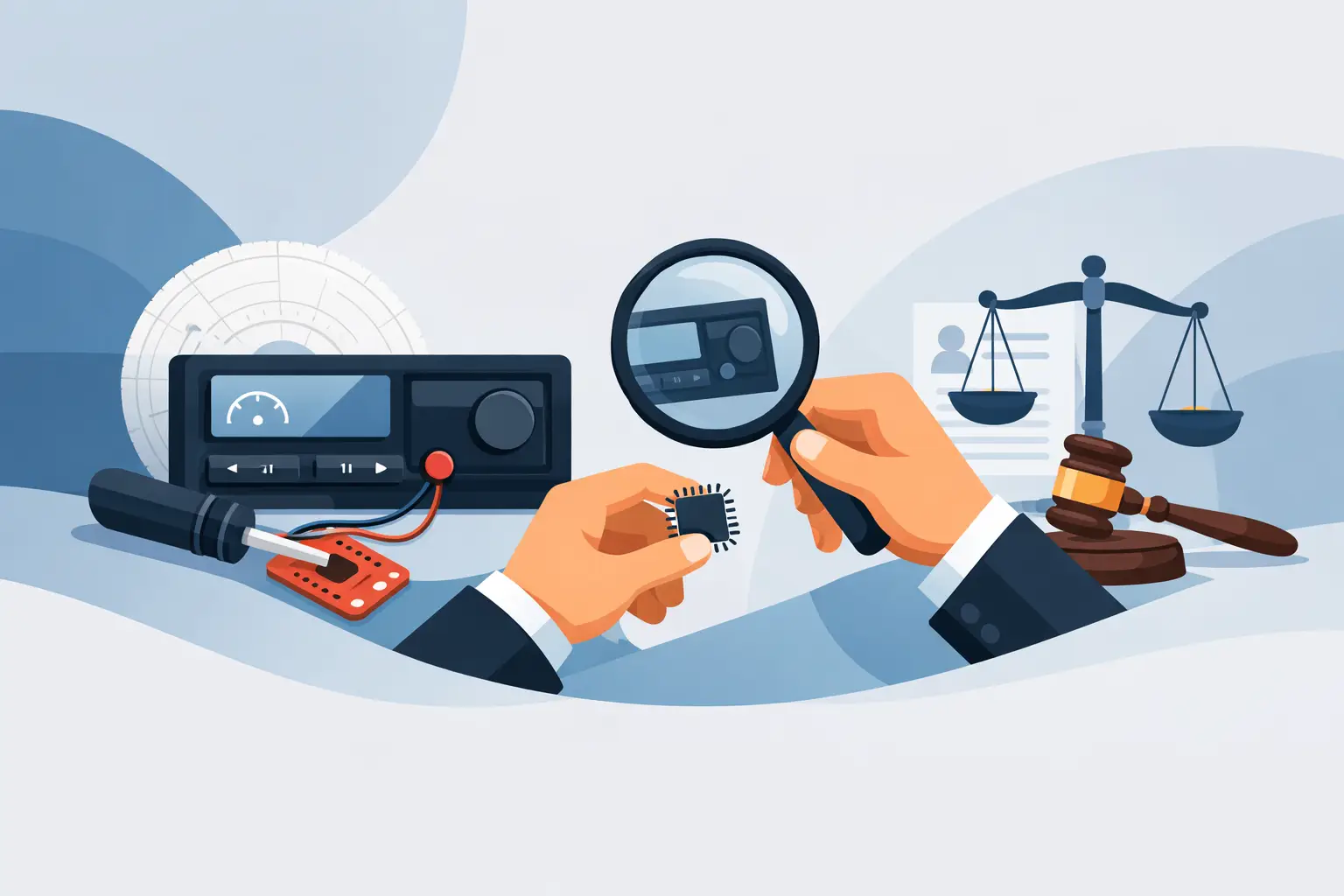
A request for a tachograph Stoneridge modification should immediately raise one practical question in any commercial vehicle workshop: is the fault being repaired through an approved route, or is somebody attempting to alter legally protected driving data? Those are not the same job. On a working lorry, the tachograph is a compliance device, not an optional electronic module that can be freely reprogrammed.
Stoneridge digital tachographs are widely fitted across UK and European commercial vehicles. They record driver activity, speed, distance, events and faults, helping operators meet drivers’ hours and road-transport obligations. Any work that compromises those records can expose the driver, operator and workshop to serious consequences.
What Tachograph Stoneridge Modification Usually Means
The phrase can refer to several very different activities. Some are legitimate service operations carried out by an approved tachograph centre. Others are unlawful attempts to interfere with the system, conceal vehicle use or change recorded mileage and driving information.
Legitimate work may include replacing a defective vehicle unit, repairing associated wiring, renewing the motion sensor, correcting configuration after an authorised component replacement, or calibrating the system following a tyre-size, gearbox or registration change. These jobs require controlled procedures, suitable equipment and the correct workshop authority.
By contrast, modifying a unit to alter distance, speed, driver activity or event records is tampering. So is fitting equipment intended to disrupt, imitate or manipulate tachograph signals. A vehicle may appear to operate normally after such interference, but the data trail, fault memory and physical installation can still reveal the issue during an inspection or investigation.
For a fleet, the short-term appeal of avoiding downtime is not worth the operational risk. A prohibition, delayed delivery, investigation or loss of customer confidence costs far more than arranging a compliant repair.
Why Stoneridge Tachograph Work Needs Approved Control
A tachograph does more than display speed and driver time. It forms part of the vehicle’s legal record. Its security features, seals, sensor pairing and calibration settings are designed to show whether the system has been accessed or disturbed.
The exact specification depends on the unit generation and vehicle application. Older digital units, newer smart tachographs and replacement units have different functions and security requirements. This is why a generic approach to programming is unsuitable. The vehicle’s VIN, registration, tyre dimensions, gearbox output, pulse settings and installation condition all matter.
An approved tachograph centre can verify the system against the vehicle, perform authorised calibration and produce the appropriate documentation. The work is traceable. That traceability protects the operator as much as it protects enforcement authorities.
A normal independent workshop can still play an important role. It can identify wiring damage, power-supply faults, CAN communication issues, dashboard warnings and related vehicle faults before referring the tachograph-specific work to an approved centre. The key is to keep diagnosis separate from unauthorised intervention.
Fault Finding Is Not Data Alteration
Many apparent tachograph problems originate outside the vehicle unit itself. Low battery voltage, poor earth connections, damaged harnesses, corroded connectors, water ingress or a disturbed gearbox sensor connection can trigger warnings and data errors.
Before condemning a Stoneridge unit, check the vehicle’s basic electrical condition and read the available diagnostic information. Record fault codes, note warning messages, inspect visible connections and establish when the issue began. A fault that appeared after clutch, gearbox, tyre or bodywork repairs deserves particular attention.
This evidence gives the approved centre a clearer starting point. It also prevents expensive parts replacement where the real problem is a damaged connector or unstable supply voltage.
Legal Risks of Unauthorised Modification
Tachograph offences are treated seriously because they can affect road safety, working-time compliance, maintenance records and fair competition in haulage. Enforcement can involve roadside checks, DVSA investigations, operator licence action and prosecution where evidence supports it.
The risk is not limited to the person who physically interferes with the unit. Drivers may be questioned about inconsistent activity records. Transport managers may need to explain gaps, implausible mileage or recurring system events. Operators can face scrutiny over their compliance procedures, while workshops may damage their standing if they are linked to unlawful work.
There is also a technical problem. Modern tachograph systems can log events related to power interruptions, sensor communication, calibration activity and security anomalies. Trying to conceal one issue often creates several more.
For any workshop or fleet manager, the sensible policy is straightforward: do not fit, supply or use equipment intended to alter tachograph records or defeat tachograph operation. If a customer requests that type of work, document the request where appropriate and direct them towards a lawful repair or approved calibration route.
A Compliant Process for Stoneridge Tachograph Repairs
When a vehicle arrives with a tachograph complaint, start by defining the symptom rather than assuming the solution. Is there a display fault, a sensor communication warning, a card-reading problem, an intermittent power issue or a concern following vehicle repairs? Clear symptom reporting reduces wasted labour.
Next, preserve the existing condition. Do not disconnect components unnecessarily, disturb seals or attempt settings changes without the proper authority. Take photographs of visible installation damage where needed and retain diagnostic notes with the vehicle job record.
The vehicle should then be referred to an approved tachograph centre when work involves calibration, sealed components, vehicle-unit replacement, motion-sensor work or protected configuration. Ask the centre to confirm the work completed and retain the resulting paperwork with the vehicle’s compliance records.
After repair, the operator should verify that the driver understands any changed procedure, especially if a replacement unit has been fitted. Card use, manual entries, printouts and record retention must continue correctly while the vehicle returns to service.
Checks Worth Making Before Release
A vehicle should not leave the workshop simply because the tachograph display has powered up. Confirm that the unit has no active warnings relevant to the reported fault, the driver card can be read where applicable, the display and controls operate correctly, and any associated dashboard warning has been addressed.
Also confirm that the vehicle documentation matches the work performed. If an approved centre has calibrated or replaced equipment, the operator should hold the correct records. If the fault was electrical rather than tachograph-specific, retain the diagnostic findings and details of repaired wiring or connectors.
This approach is especially valuable for fleets with several depots or mixed vehicle makes. A consistent job-sheet process makes it easier to identify repeat failures, installation damage and training gaps.
Common Situations That Need Extra Care
Vehicles coming back from gearbox or clutch work are a frequent example. The tachograph motion sensor and its connections may be close to components disturbed during repair. A warning after this work does not automatically mean the tachograph itself has failed, but it does require a careful and lawful inspection.
Tyre or wheel changes can also affect tachograph accuracy if rolling circumference changes beyond the permitted tolerance. The vehicle may require recalibration by an approved centre. Fleet managers should include this question in their tyre-management process instead of treating tyres as separate from compliance equipment.
Imported vehicles and used lorries require similar caution. Check the tachograph type, installation history, visible seals, calibration information and available records before placing the vehicle into regular operation. Missing paperwork or unexplained warnings should be resolved early, not left until a roadside stop reveals the problem.
Finally, be wary of vague descriptions such as “make the mileage match”, “remove the error permanently” or “stop it recording”. A competent repairer needs a defined fault and a lawful outcome. If the requested outcome concerns changing protected data or preventing records being created, it is not a workshop repair.
Protecting the Operator and the Workshop
Good tachograph practice is largely about control. Limit access to keys, cards, diagnostics and vehicle records. Train technicians to escalate tachograph-related jobs rather than experiment with settings. Keep a clear distinction between ordinary vehicle diagnostics and protected tachograph work.
For fleet operators, regular driver debriefs and data review can reveal faults before they turn into compliance problems. Repeated power events, unexplained mileage patterns or recurring sensor warnings should trigger a proper inspection. Treating the data as an early warning system is more effective than responding only when a vehicle is stopped.
A lawful Stoneridge repair may take more planning than an informal alteration, but it gives the vehicle, driver and operator a defensible record. When a tachograph fault appears, preserve the evidence, diagnose the vehicle properly and use an approved centre for work that affects the protected system. That is the route that keeps a lorry productive without creating a much larger problem at the roadside.
